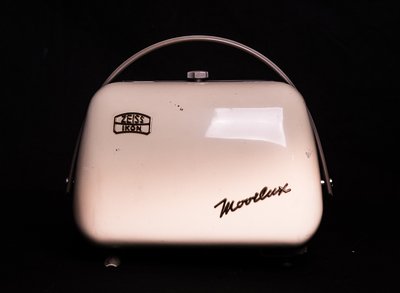
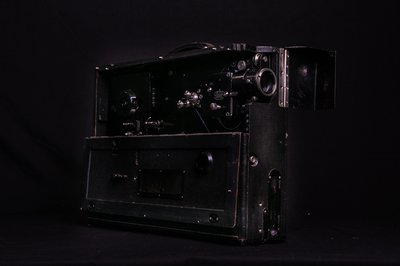
In 1926, four bankrupt German optical companies — Ernemann and ICA (Dresden), Contessa-Nettel (Stuttgart), and Goerz (Berlin) — were merged with capital from the Carl Zeiss Foundation in Jena. Zeiss Ikon AG, born on October 1, 1926, instantly became one of the world's largest photographic and film equipment companies.
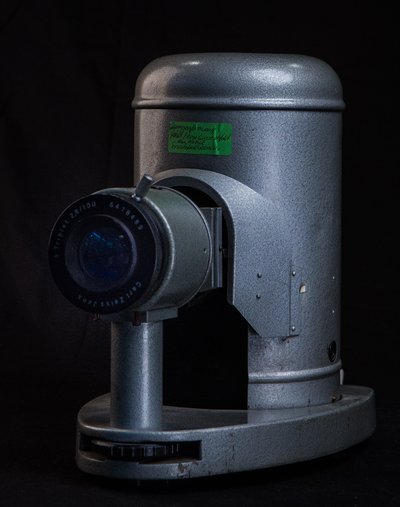
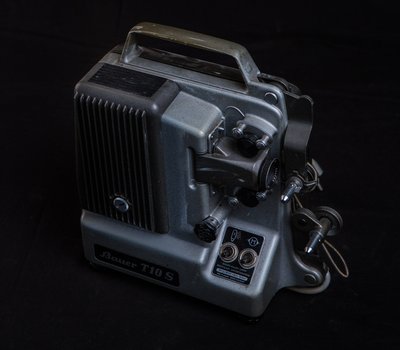
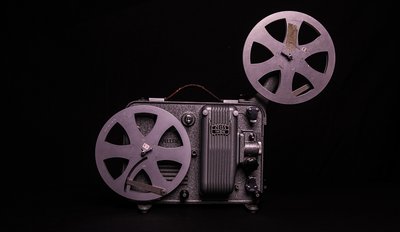
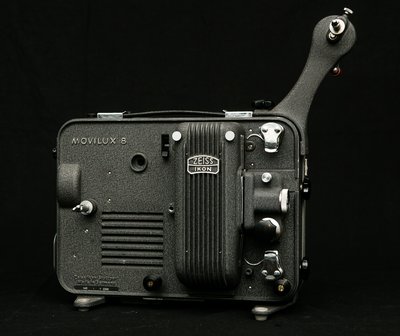
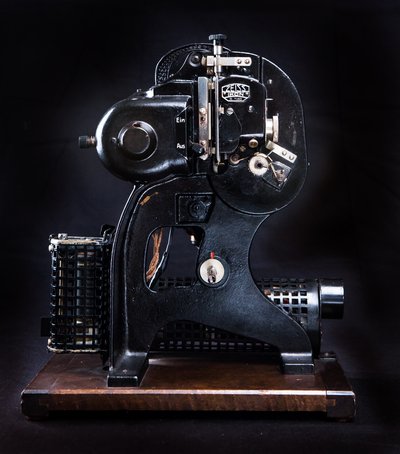
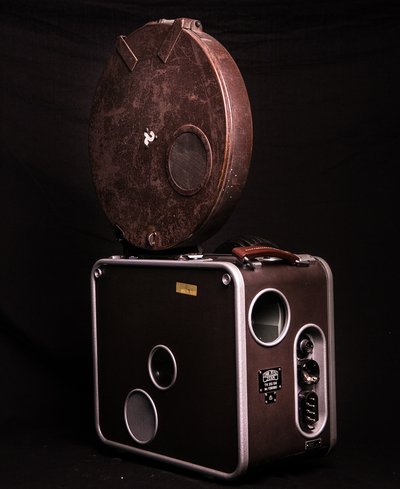
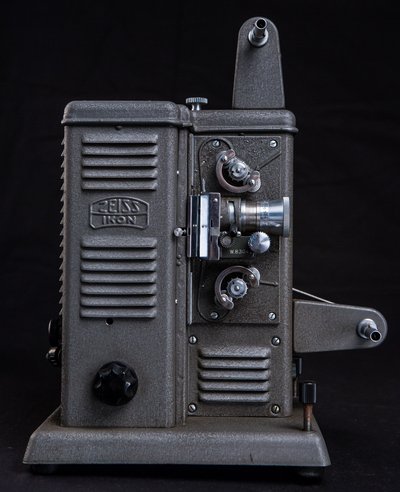
The relationship with Carl Zeiss optics was structural, not just commercial — the Foundation owned both. Every Zeiss Ikon camera carried legendary Carl Zeiss lenses: the Tessar (1902) and Sonnar (1929). The projector heritage was equally rich. Ernemann's Imperator — a revolutionary all-steel 35mm projector shown at the 1909 Dresden photography exhibition — continued under the Zeiss Ikon brand, followed by the Ernon theater projectors, Kinox portable 16mm units, and the Favorit 8 home projector.
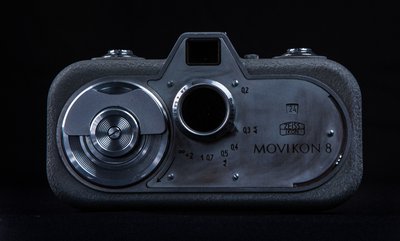
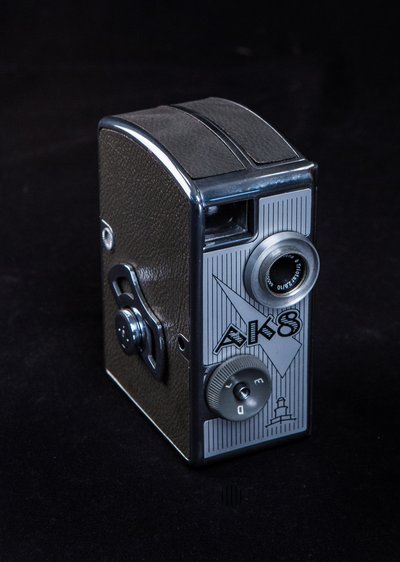
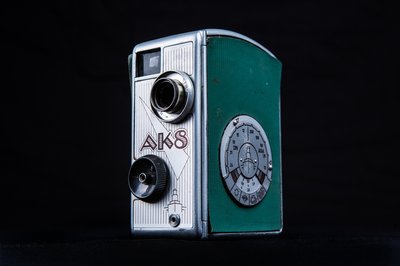
The Contax rangefinder (1932), Zeiss Ikon's most famous camera, challenged Leica as the world's finest. The Movikon movie cameras brought Zeiss Sonnar lenses to amateur cinematography. But the February 1945 bombing of Dresden destroyed the factories. Soviet forces shipped the entire Contax production line to Kiev, where it was produced as the Kiev camera for decades.
The Cold War split Zeiss Ikon in two. The West Stuttgart plant rebuilt with Contax IIa/IIIa and Contaflex SLRs but couldn't compete with Japanese rivals, ceasing camera production in 1972. The East Dresden operation became Pentacon, producing the hugely successful Praktica SLR series. The Ernemann factory building still stands in Dresden — a century-old witness to the city's role as a world center of film technology.