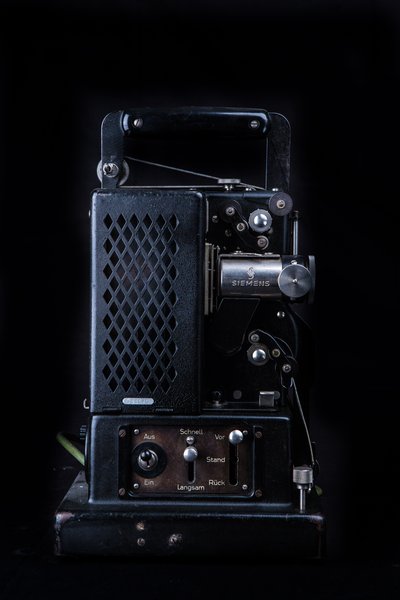
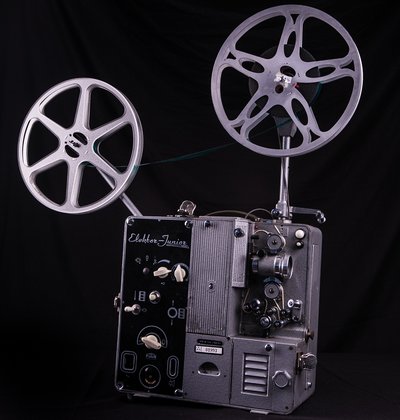
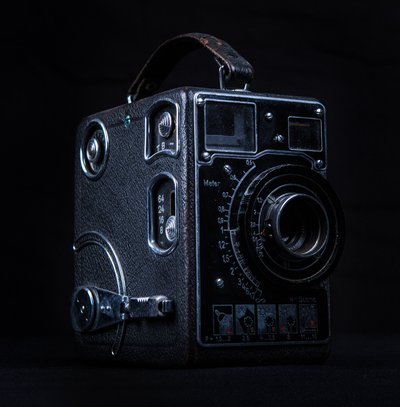
That Siemens made film projectors surprises many. Why would a maker of power turbines and telephone exchanges build home movie equipment? The answer lies in the silent-to-sound film transition, which required exactly the electro-acoustic engineering Siemens excelled at.
In 1928, Siemens co-founded Klangfilm GmbH with AEG to manufacture cinema sound equipment. The 1930 'Paris Sound Film Peace Treaty' gave Klangfilm exclusive European distribution rights, cementing Siemens' dominance in theater technology. From there, the step to consumer products was natural: professional equipment carried the Klangfilm label, while home devices bore the Siemens name.
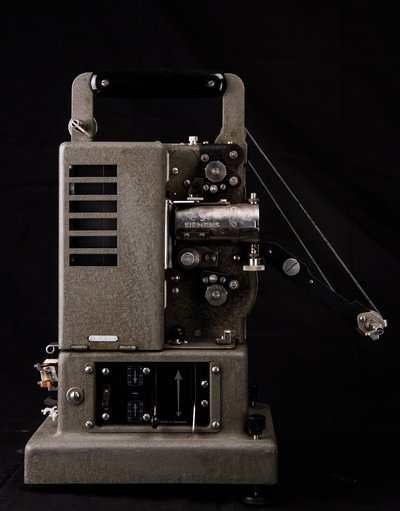
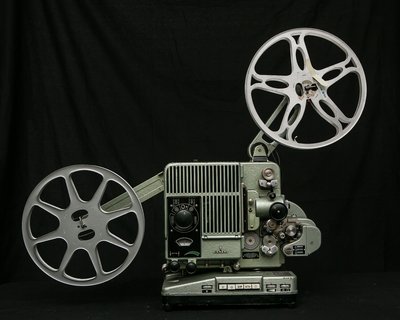
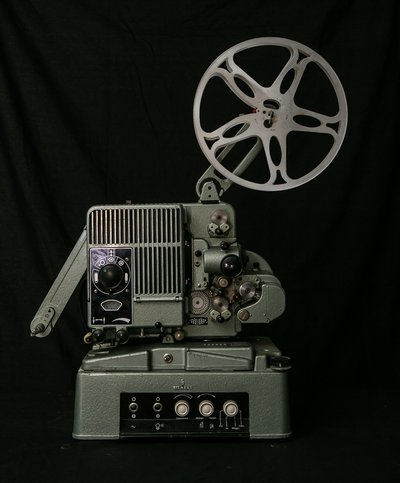
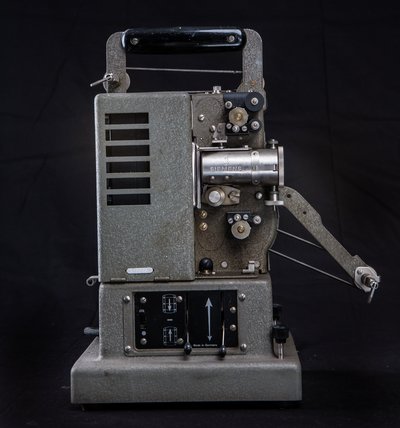
The first home projector — the Heimprojektor — appeared around 1932-34, a cast-iron 16mm device. Siemens also made 16mm cameras (C, D, and FII models) in the 1930s. But the crowning achievement was the Siemens 2000 (1951): a legendary 16mm projector with 500W lamp, variable speed (16-26 fps with stroboscopic calibration), optical and magnetic sound, and a 15W tube amplifier with separate bass/treble controls. Finished in its distinctive green enamel, it became standard equipment in German schools, churches, and training rooms. Today, collectors prize its 5-tube Klangfilm-heritage amplifier as an audiophile treasure.
During the 1950s Wirtschaftswunder, a Siemens projector in your living room meant power-plant reliability at home. But television displaced 16mm home cinema, and in 1969 Siemens closed its film division. Many Siemens 2000s still work today — engineered, like everything Siemens built, to last decades.