Photographers know Sekonic for light meters. Cinematographers know them for the L-398 Studio Deluxe — a battery-free analog meter so reliable it's been in continuous production since 1976. But few know Sekonic also made projectors.
Established in 1951 in Tokyo as Seiko Electric Industries (shortened to Sekonic in 1960), the company's core was always exposure meters. The first Sekonic P-I appeared in the early 1950s. In 1984, the L-518 Digipro even flew aboard a NASA Space Shuttle.
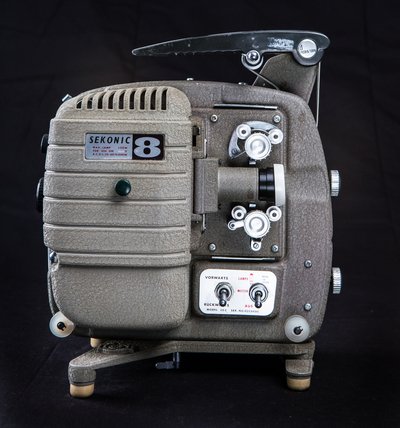
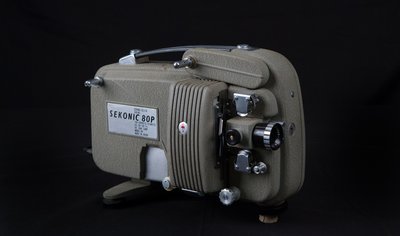
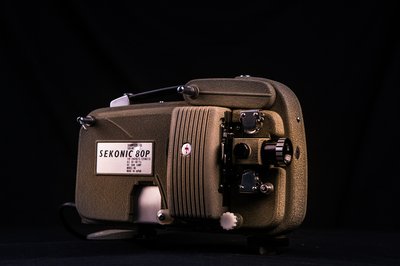
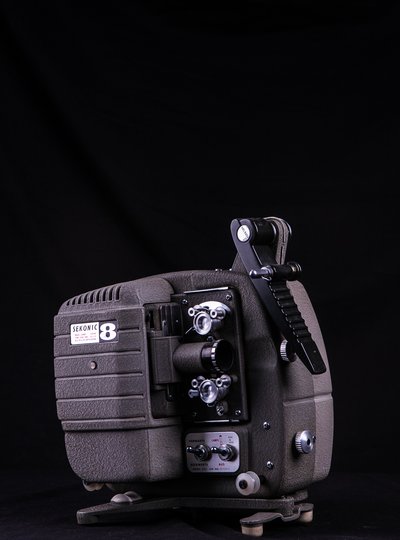
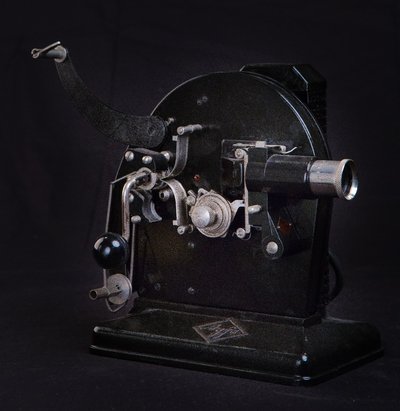
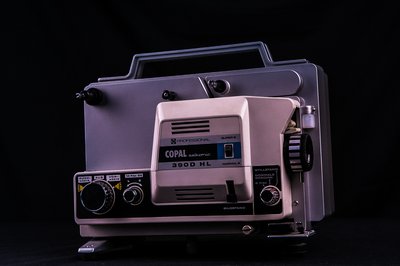
During the 1960s 8mm boom, Sekonic diversified into projectors and cameras. The Sekonic 80P was a capable 8mm projector with auto-threading and universal voltage (110-240V). Under the Elmatic sub-brand, they made 8mm movie cameras. The most interesting chapter was the Copal Sekonic partnership: Copal (Japan's leading leaf shutter maker, supplying Olympus and Yashica) joined forces with Sekonic in the late 1960s to produce dual-format projectors. The 290 Dual, CP-50, CP-77, and CP Sound 402 combined Copal's precision mechanical assembly with Sekonic's electrical/optical expertise.
Secondary in the Japanese ecosystem compared to giants like Canon or Nikon, Sekonic was more like Copal, Sankyo, or Nitto Kogaku — specialist suppliers whose components appeared inside many brands' products. When the 8mm market collapsed, they returned to their core strength. Today, Sekonic remains independent in Tokyo, still the world leader in handheld light meters. Copal was acquired by Nidec Corporation in 1998 and stopped making camera shutters in 2016.