In September 1894, twenty-seven-year-old Charles Pathé saw Edison's phonograph demonstrated at a fair near Paris and was mesmerized. He borrowed 700 francs to buy one, demonstrated it at the next fair charging 20 centimes per listen, and earned 200 francs in a single day. This entrepreneurial instinct would propel four brothers — Charles, Émile, Théophile, and Jacques — into building the world's largest film empire.
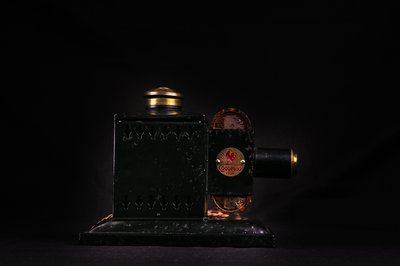
Founded in Paris on September 28, 1896, Pathé Frères grew from a phonograph company into a vertically integrated cinema giant within a decade. By 1908, Pathé manufactured cameras, projectors, and raw film stock (breaking Kodak's monopoly), with an estimated 60% of all films worldwide shot on Pathé equipment and over 40 overseas branches. The crowing rooster trademark — with its slogan "I crow loud and clear" — became one of cinema's oldest surviving logos.
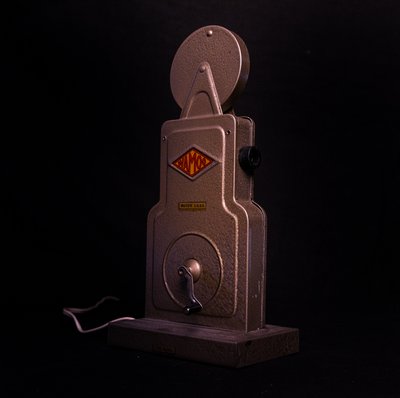
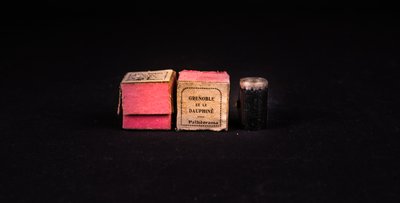
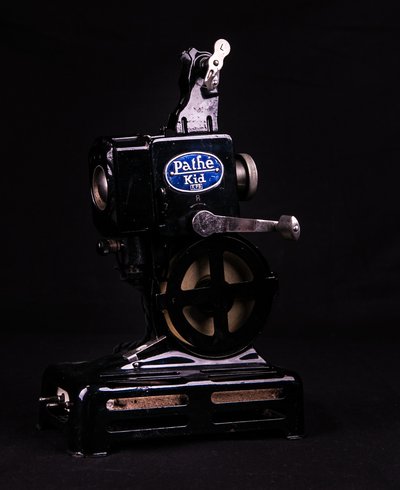
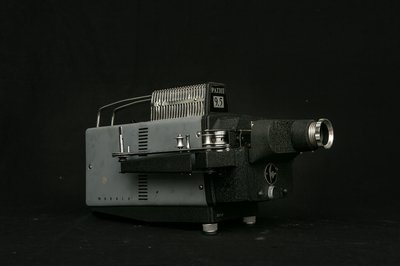
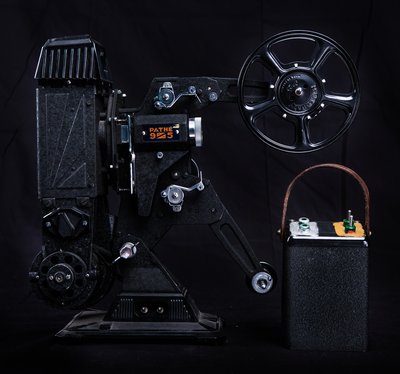
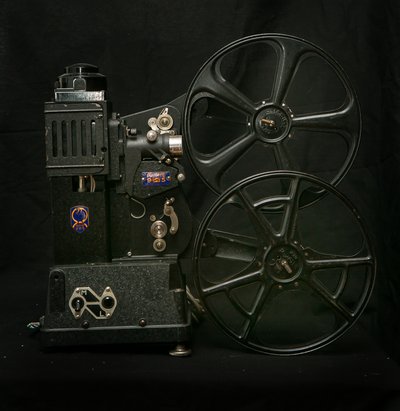
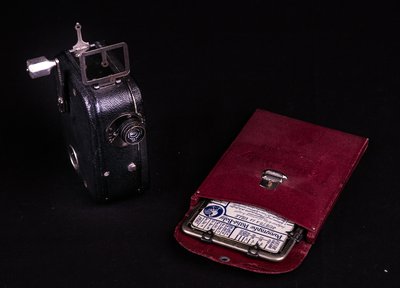
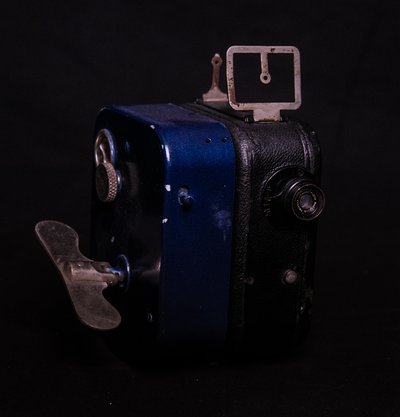
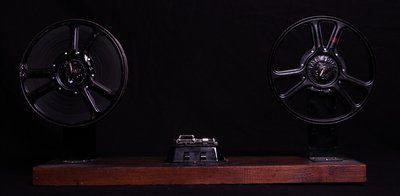
In home cinema, Pathé was a true pioneer. The KOK 28mm system (1912) used non-flammable safety film and a hand-cranked dynamo that powered its own light. Over 8,000 units sold while Edison's competitor managed only 500. The Pathé Baby 9.5mm (1922) — marketed as "cinema at home" — created the amateur film format alongside Kodak's 16mm. Postwar Webo cameras were used by Sophia Loren and Charlton Heston.
But Charles Pathé began selling assets after WWI, causing a national uproar. Competition from Kodak, Bolex, and Japanese makers intensified. In 1968, Pathé ended camera production entirely — the same year Kodak discontinued its last 16mm camera.