In 1933, Alois Beneš founded Optikotechna in Přerov, Moravia — starting with lenses and condensers in a small workshop. By 1936, the product line already included enlargers, binoculars, riflescopes, and the well-known Flexaret camera series.
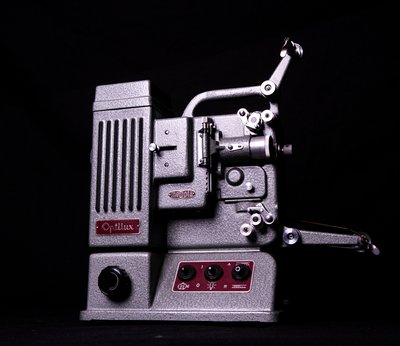
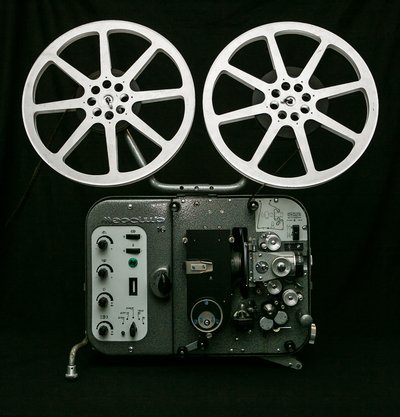
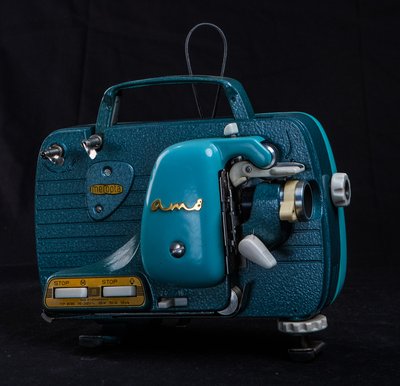
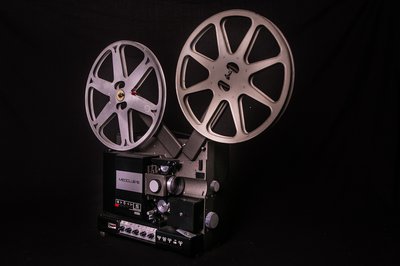
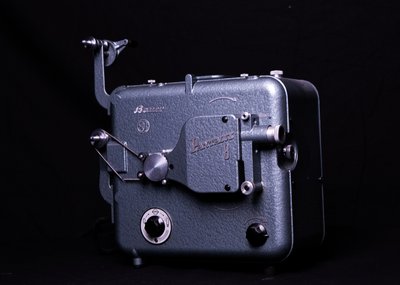
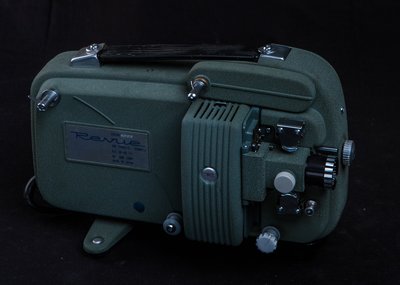
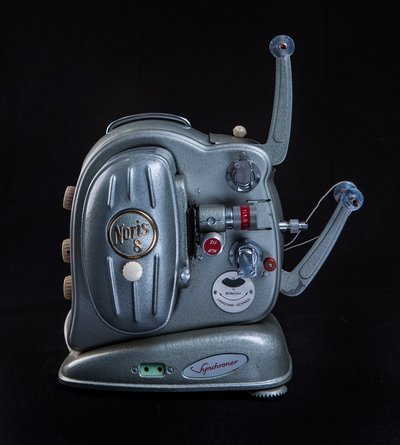
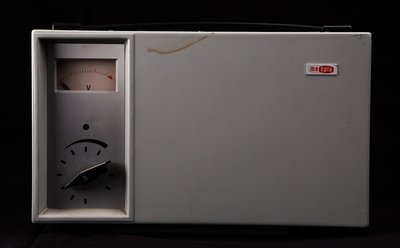
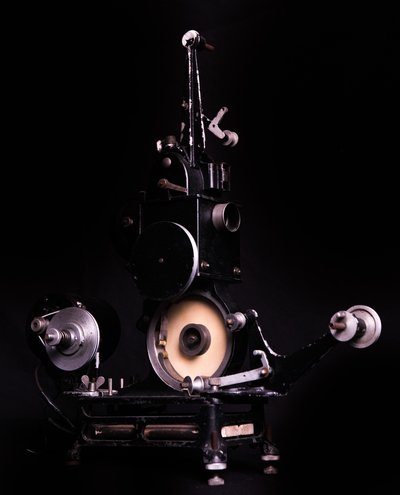
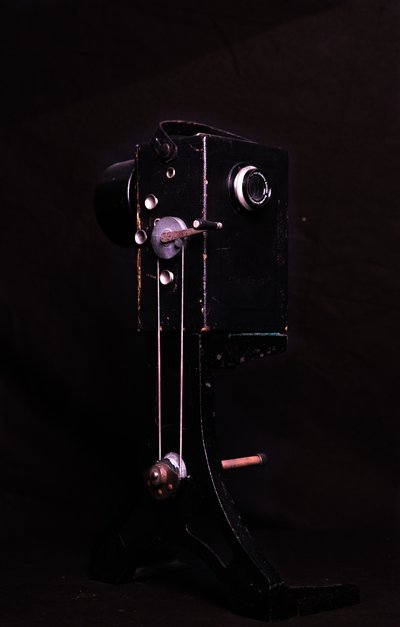
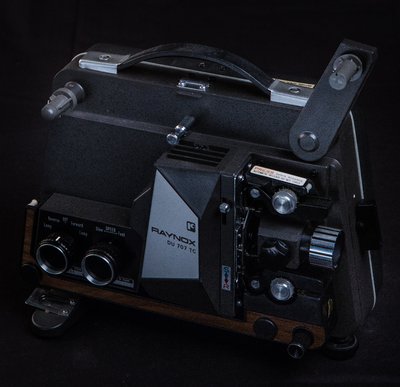
The German occupation (1939-45) forced military-only production. After liberation, a merger with C.P. Goerz's Bratislava subsidiary and 1946 nationalization produced a new name: Meopta — Czech for 'Mechanical Optical Manufacturing.' The golden age followed. From 1947 to 1970, Meopta became Central and Eastern Europe's only cinema projector manufacturer. The 35mm Meopton series served theaters, the Meoclub 16 served homes and clubs, and the AM 8 (1960-69) brought 8mm projection with optional sound adapters. Simultaneously, Meopta became one of the world's largest enlarger manufacturers.
In 1971, the government redirected 70-75% of production to Warsaw Pact military optics, effectively ending the cinema era. The 1989 Velvet Revolution brought a different crisis: military orders vanished overnight. In 1992, the Rausnitz family — who had emigrated to the US in 1946 — returned as majority owners, a remarkable restitution-era homecoming.
Today Meopta still manufactures at the original Přerov factory, now focused on premium riflescopes (MeoPro, MeoStar, MeoHunter), binoculars, and precision optics. In 2023, the Carlyle Group acquired a majority stake. From a tiny Czech workshop to a global optics brand — with detours through Nazi occupation, communist nationalization, Cold War military production, and democratic privatization — Meopta's ninety-year journey mirrors the turbulent history of Central Europe itself.