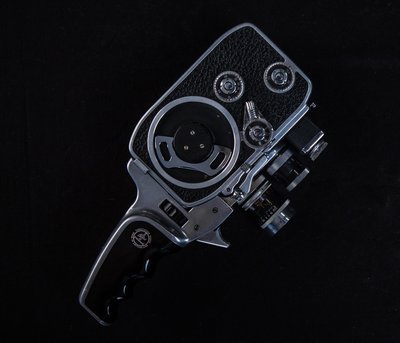
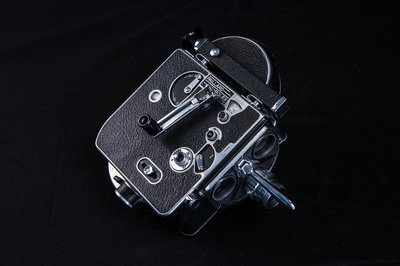
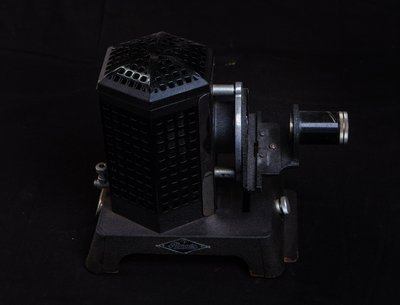
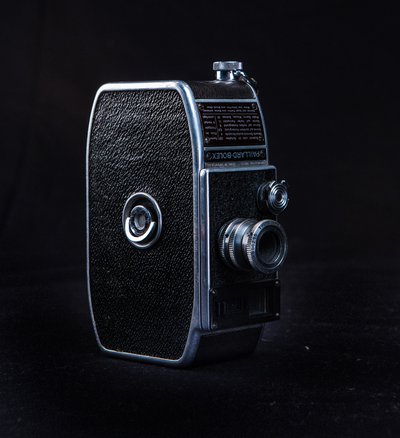
The Bolex story begins not in Switzerland but in Kiev. Yakov Bogopolsky, born December 31, 1895, into a Jewish family in the Russian Empire, fled to Geneva around 1913 to study medicine, then switched to engineering. His 'Cinegraphe Bol' — a reversible 35mm camera/printer/projector — debuted at the 1923 Geneva Fair. The 'Bol' prefix from his surname became 'Bolex.'
In 1930, the venerable Swiss firm Paillard (est. 1814 — makers of watches, music boxes, Hermes typewriters) acquired Bolex S.A. for 350,000 Swiss francs. The twist: they quickly discovered Bogopolsky's patents were unusable and his machines defective. Within two years he was unwelcome in Sainte-Croix. The Bolex the world knows was entirely the work of Paillard engineer Marc Renaud, who designed a new 16mm camera from scratch.
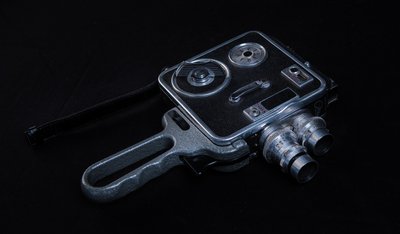
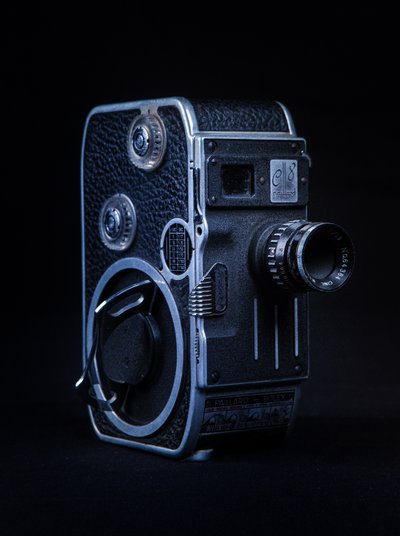
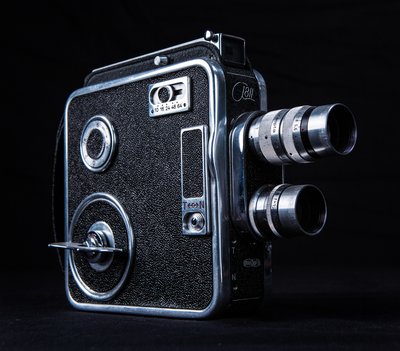
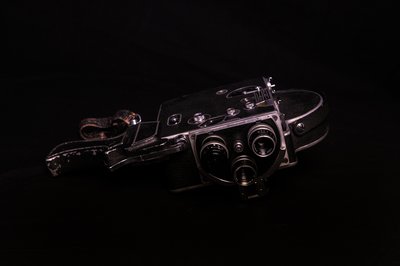
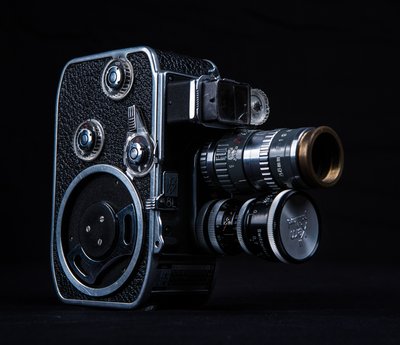
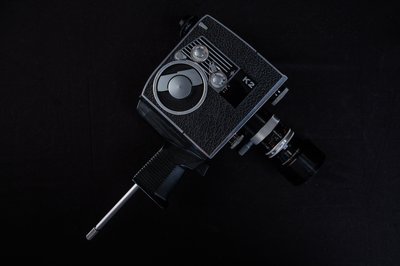
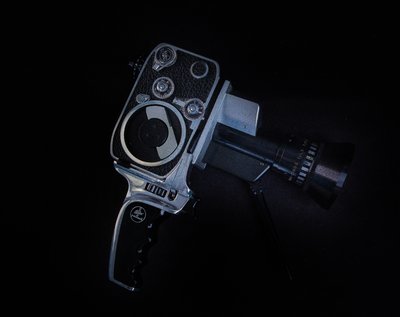
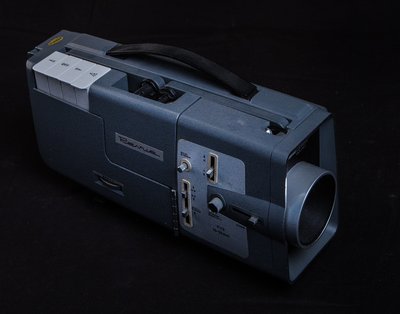
The Paillard-Bolex H16 (1935) applied Swiss watchmaking to cinema: a spring-wound clockwork motor (no batteries needed), variable speed 12-64 fps, single-frame capability for animation, and a three-lens turret. The 1956 H16 Reflex, with its ten-prism through-the-lens viewing, launched the celebrated REX series. Andy Warhol shot Empire and Sleep on a Bolex; Stan Brakhage, Maya Deren, Jonas Mekas, David Lynch, Steven Spielberg, and Peter Jackson all began their careers with one.
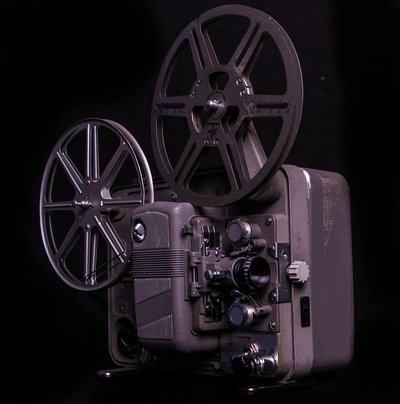
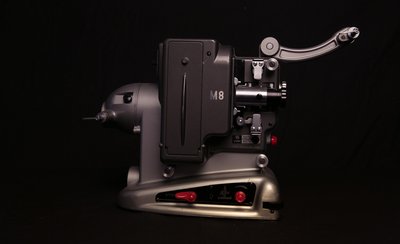
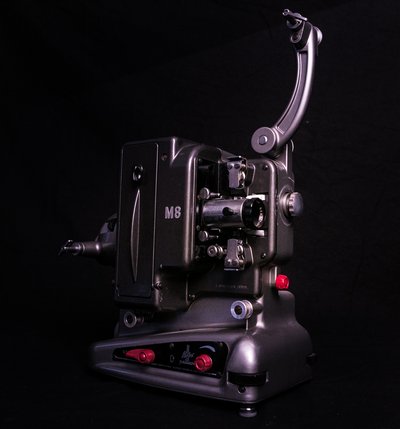
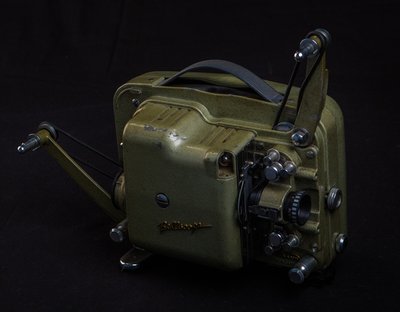
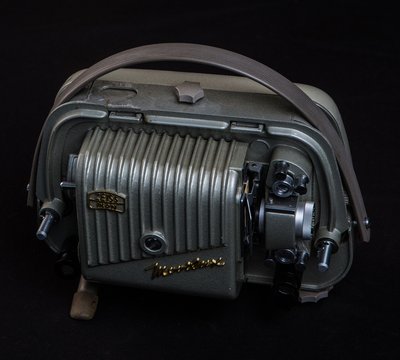
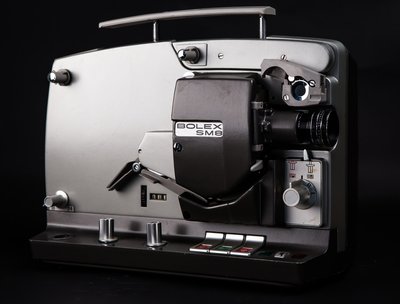
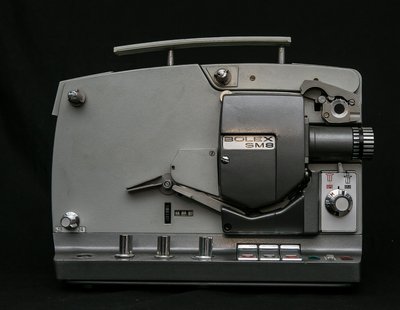
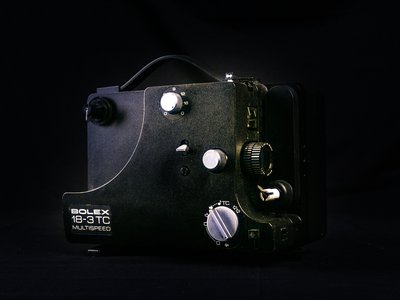
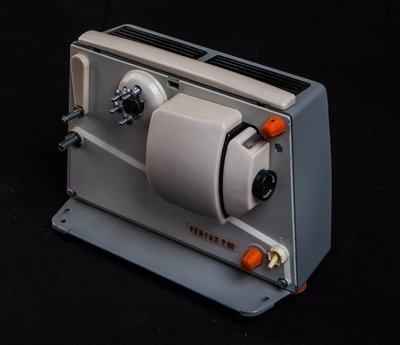
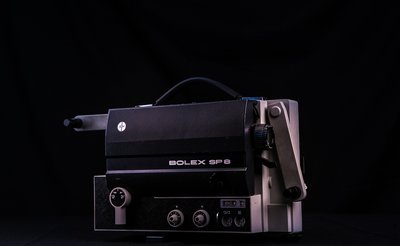
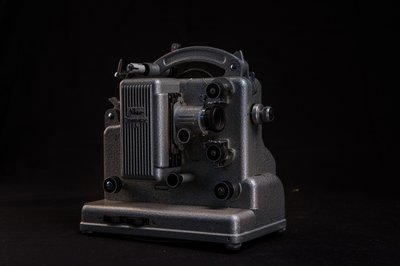
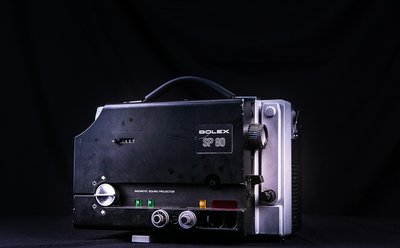
Paillard also built superb projectors — the 18-5 series featured a unique variable 18fps/5fps speed with expanding shutter blades to prevent film burn. In 1970, Paillard sold Bolex to Austrian rival Eumig, which spectacularly bankrupted in 1981 after betting on Polaroid's failed Polavision system ($140M debt). A small team in Yverdon continued hand-assembling H16s for decades. The camera still finds use among analog filmmakers today.