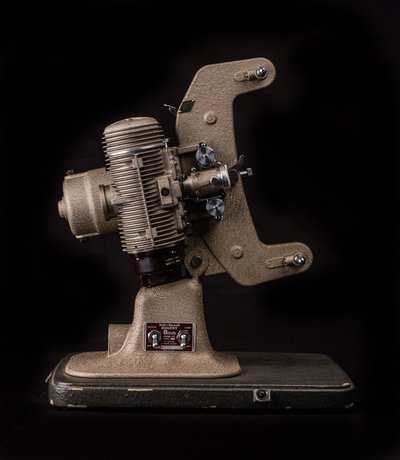
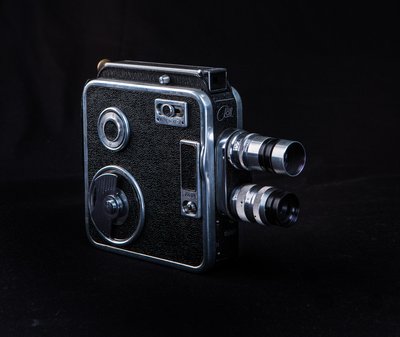
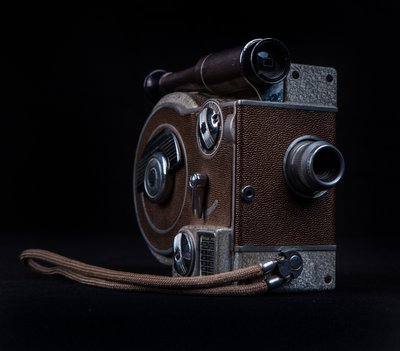
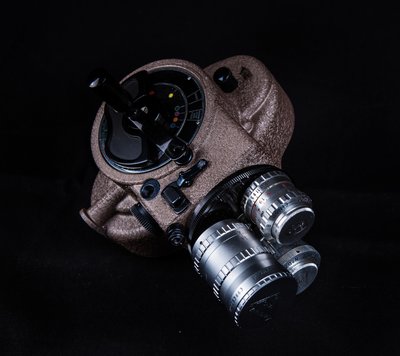
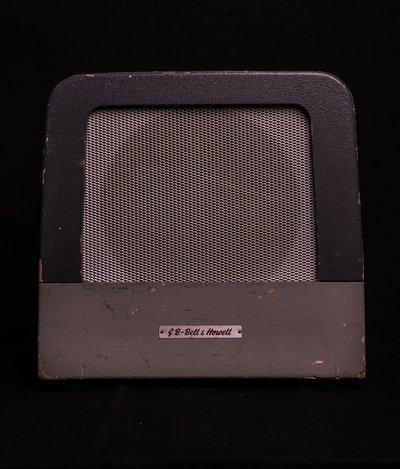
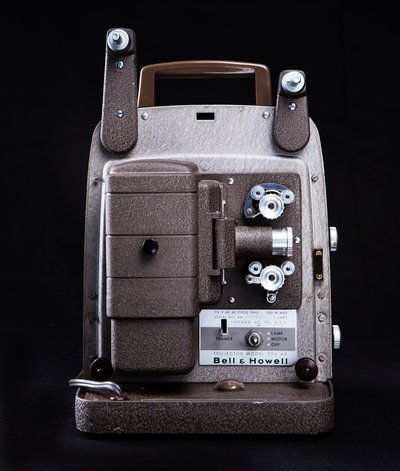
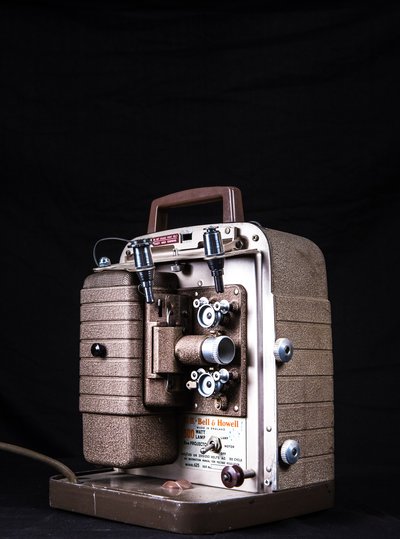
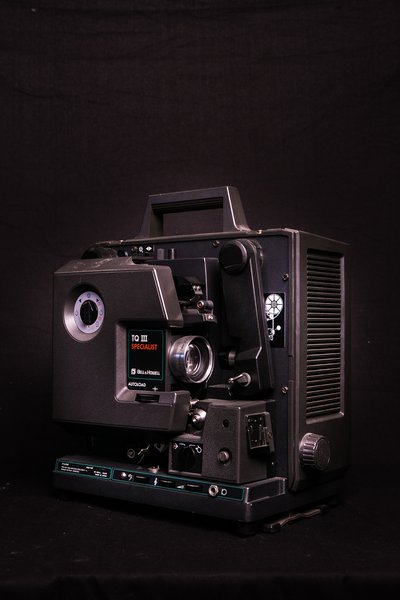
In 1907 Chicago — the center of American cinema before Hollywood existed — projectionist Donald Bell and mechanic Albert Howell incorporated their company with just $5,000. Their genius was applying precision engineering to an industry that had none.
In 1908, their film perforator punched uniform sprocket holes in 35mm stock — previously every maker punched slightly different holes, causing film to jump and tear. The 'Bell & Howell perforation' (rounded-rectangular shape) became the international standard for camera negative and remains so today: every 35mm negative shot worldwide still uses BH perfs.
The 1912 Model 2709 studio camera earned the title 'most precision film mechanism ever made' and was produced for 46 years. By 1919, nearly 100% of Hollywood's equipment was Bell & Howell. Chaplin shot The Kid and The Gold Rush with it; Disney animated Snow White on a 1914-vintage 2709. But internally, Bell was forced out in 1917 when Howell and the treasurer bought his stake for $200,000. His name stayed on the building forever.
The Filmo 70 (1923) — first spring-motor 16mm camera — launched home moviemaking. The Eyemo compact 35mm became the combat camera of choice; footage shot by Marine Sgt. Norman Hatch at Tarawa was so brutal it needed Roosevelt's approval for release, winning the Academy Award. Most famously, Abraham Zapruder used a Bell & Howell Zoomatic to capture the Kennedy assassination in 1963 — the most studied amateur footage in history.
Japanese competition and video's rise ended manufacturing in 1979. The company that once equipped all of Hollywood became a name on document scanners.