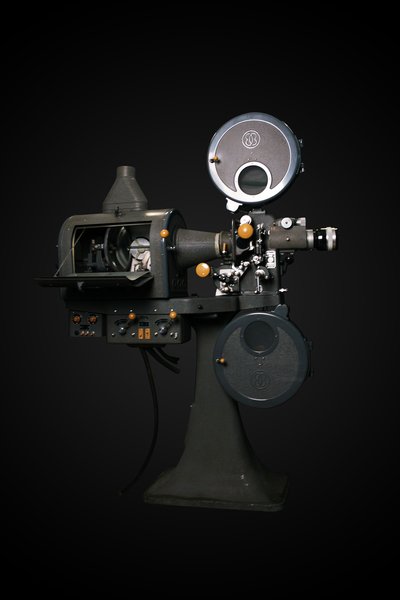
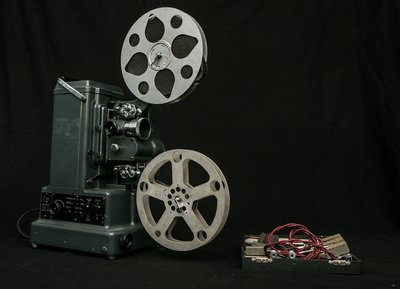
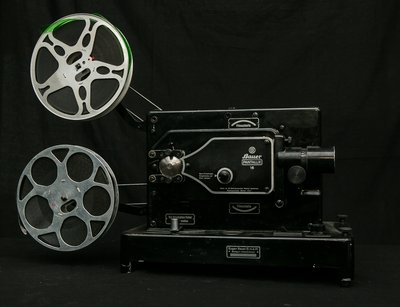
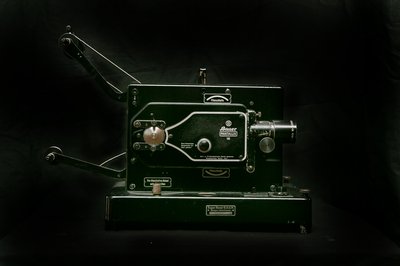
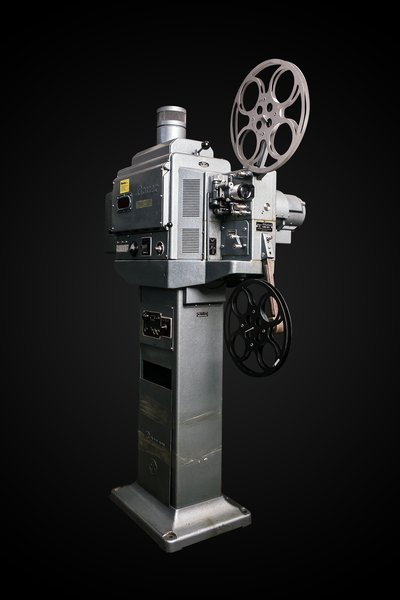
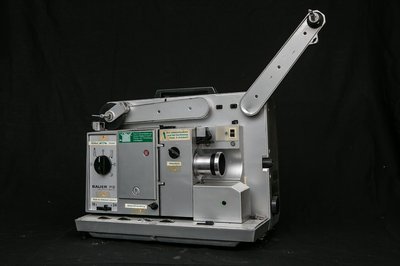
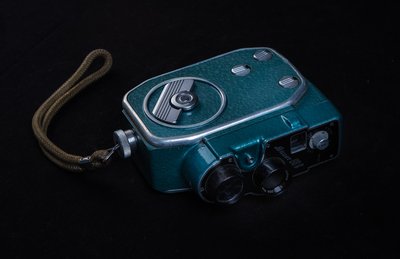
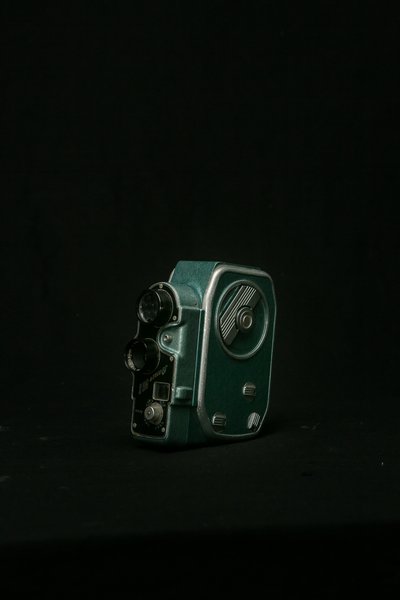
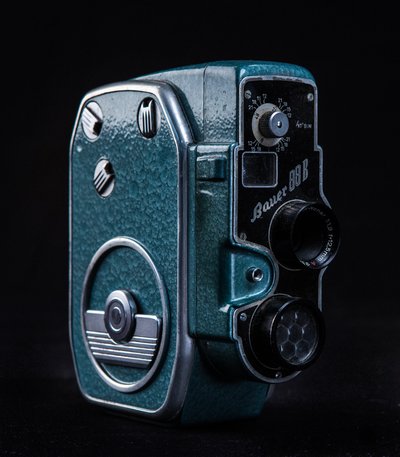
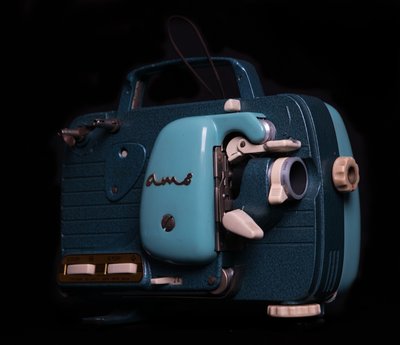
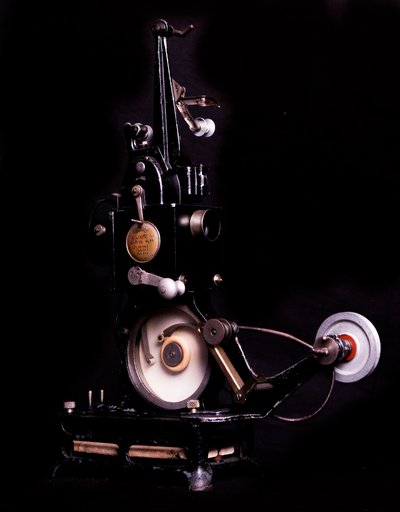
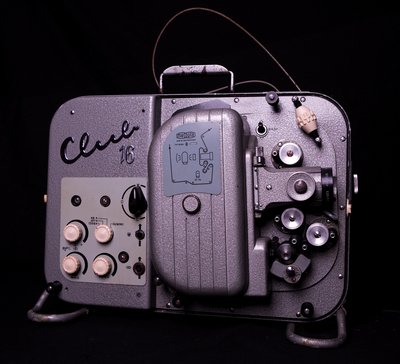
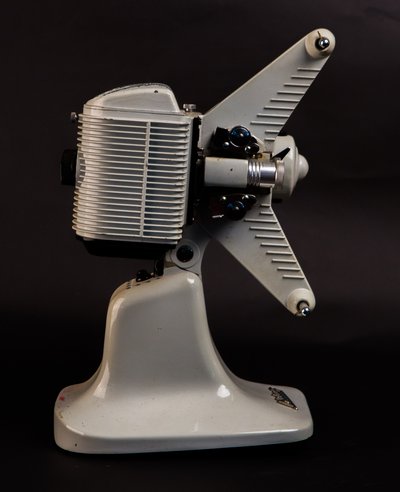
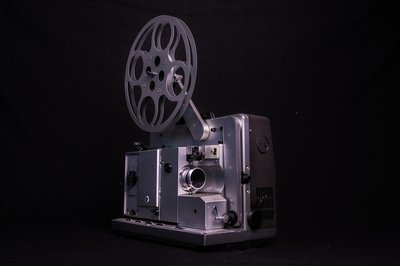
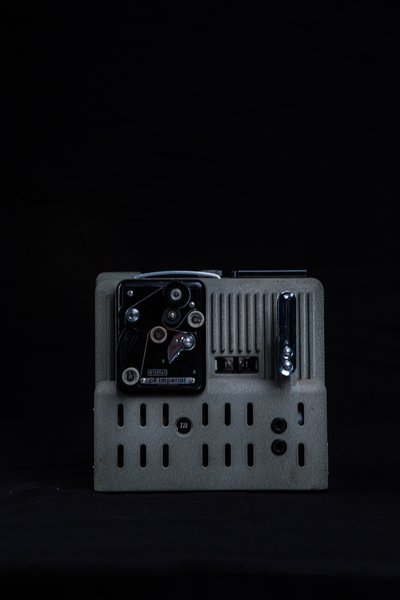
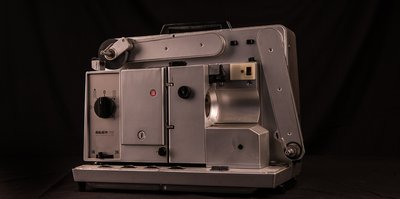
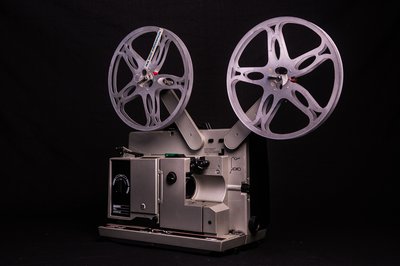
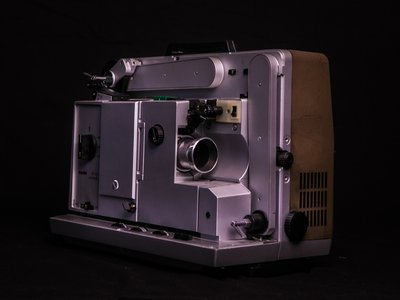
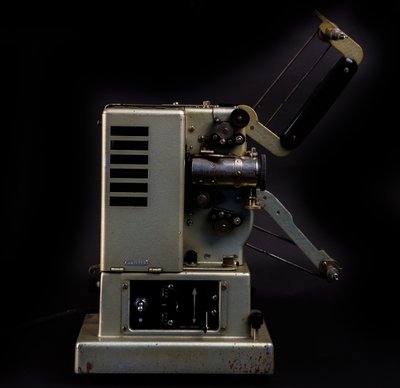
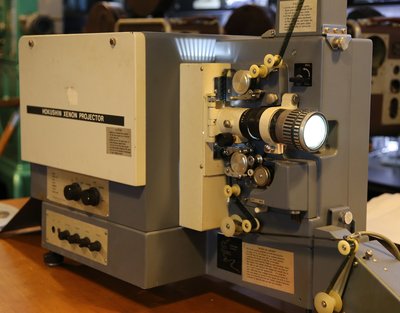
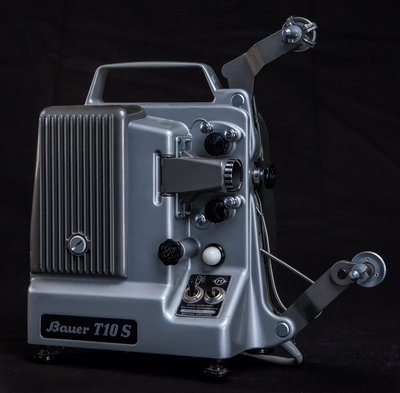
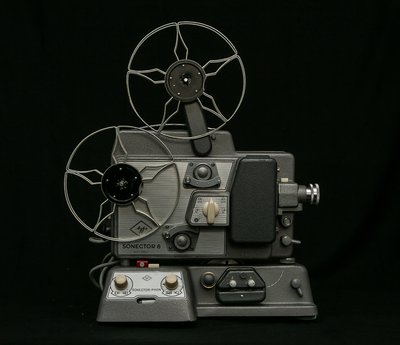
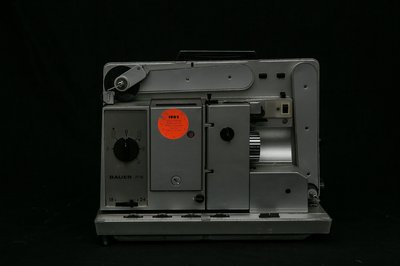
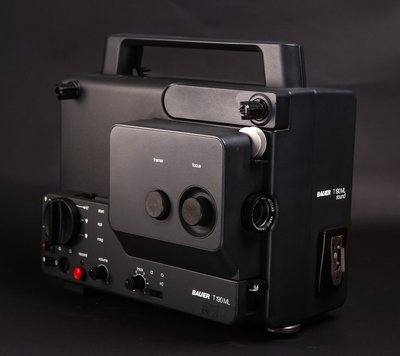
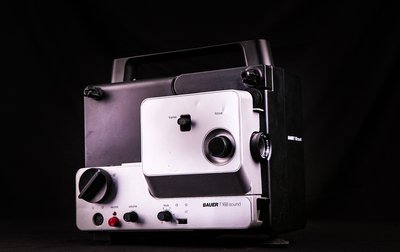
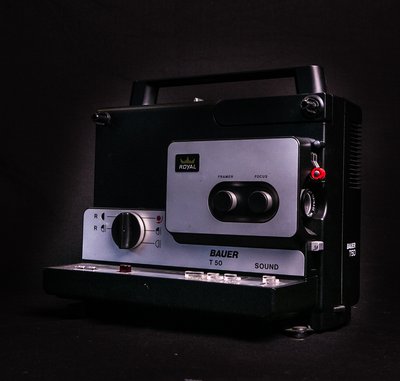
In 1905, precision engineer Eugen Bauer started making projectors in a small Stuttgart workshop. His first 35mm projector in 1907 featured an automatic film take-up spool — a breakthrough at a time when French projectors let film pile up in baskets, requiring manual rewinding. This single innovation made projection safer and faster, and caught the attention of cinema operators across Europe.
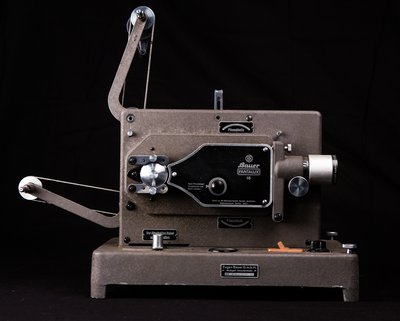
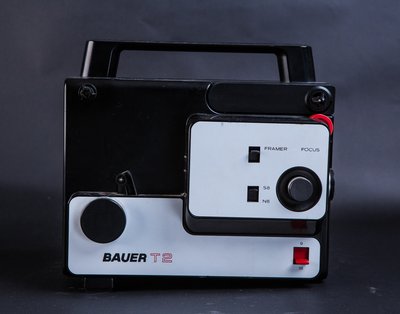
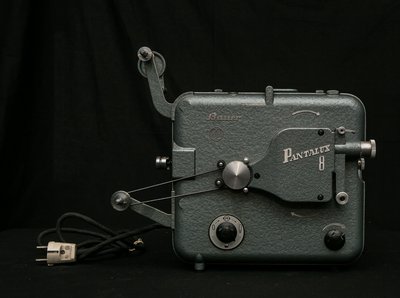
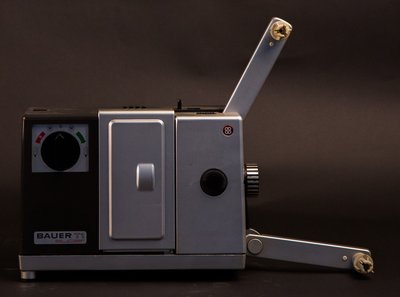
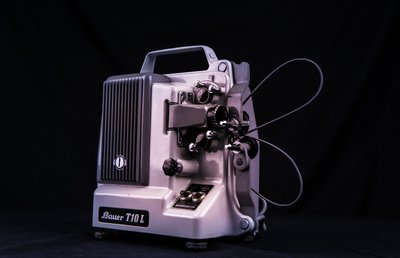
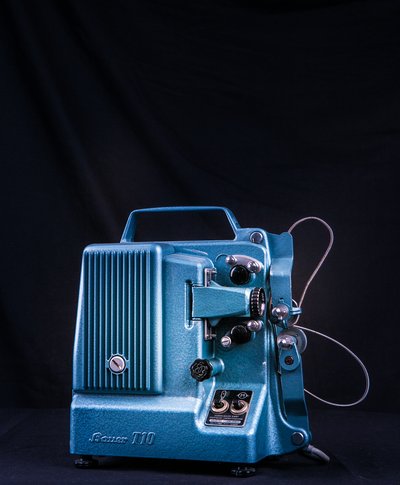
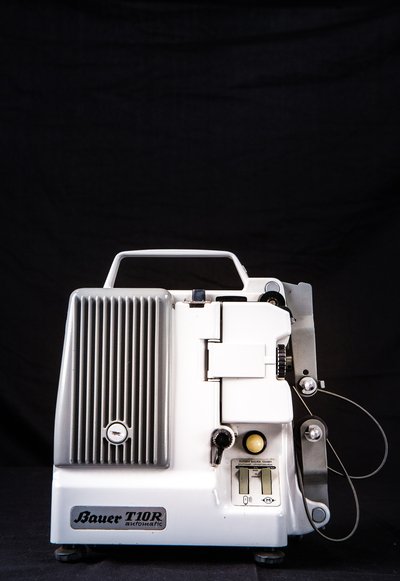
After Robert Bosch AG acquired the company in 1931, Bauer transformed from a small workshop into an industrial powerhouse. The Pantalux 8mm projector (1932) marked their entry into the home market. Through the 1950s Wirtschaftswunder, Bauer captured roughly half the European projector market with their T-series 8mm machines — built with the same precision as Bosch automotive parts.
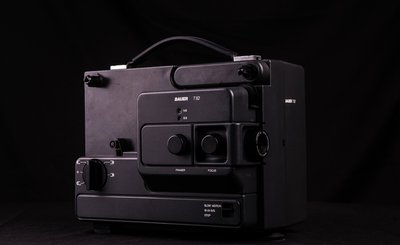
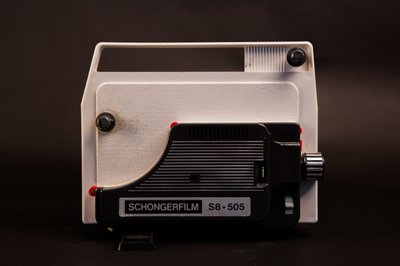
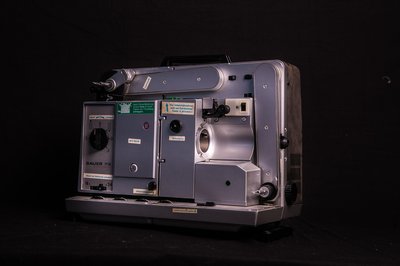
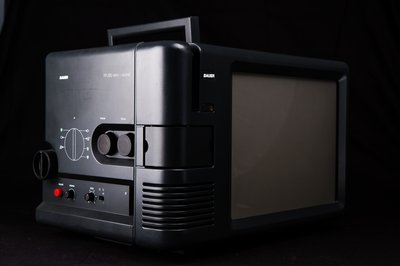
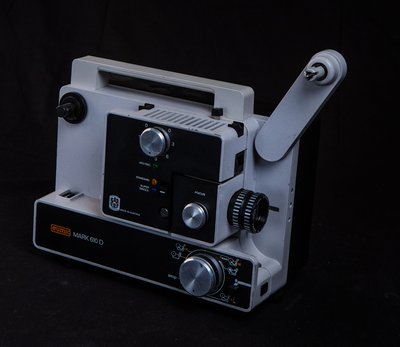
The Super 8 era brought the P6, P7, and P8 series projectors that became fixtures in German living rooms. But by the late 1970s, VHS was making film projection obsolete. In 1985, after 80 years of continuous production, Bauer ceased manufacturing — a quiet end for a company that once projected half of Europe's home movies.