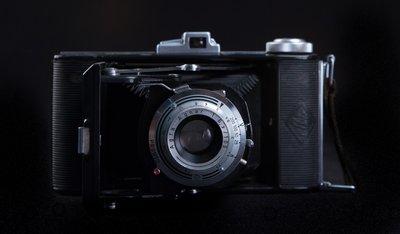
Agfa began in 1867 as an aniline dye factory in Berlin, founded by chemists Paul Mendelssohn Bartholdy and Carl Alexander von Martius. The acronym AGFA — Actien-Gesellschaft für Anilin-Fabrication — was registered as a trademark in 1897 for photographic chemicals.
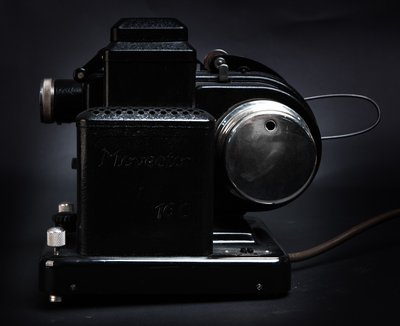
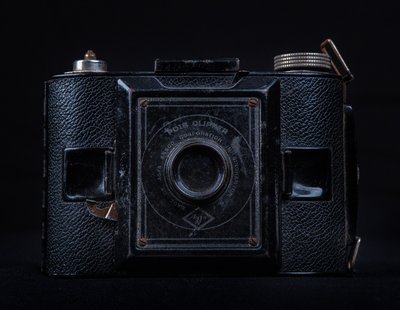
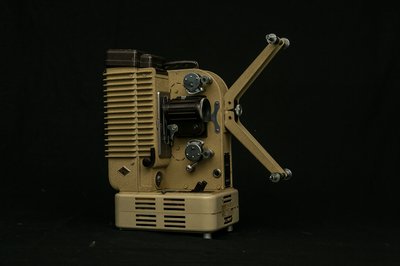
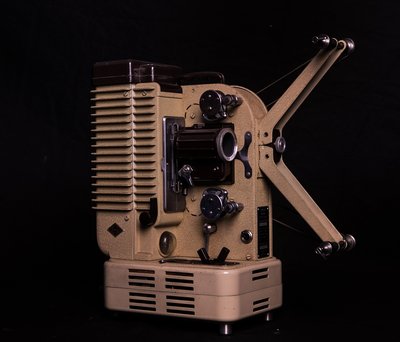
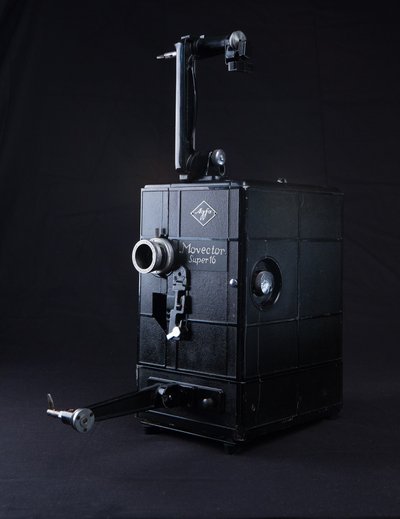
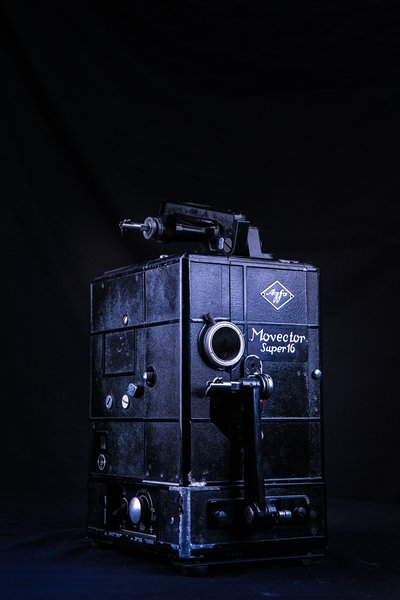
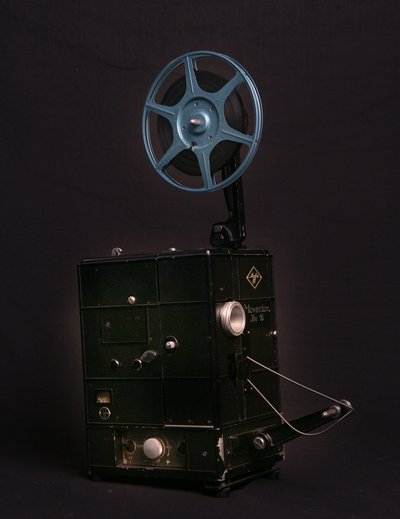
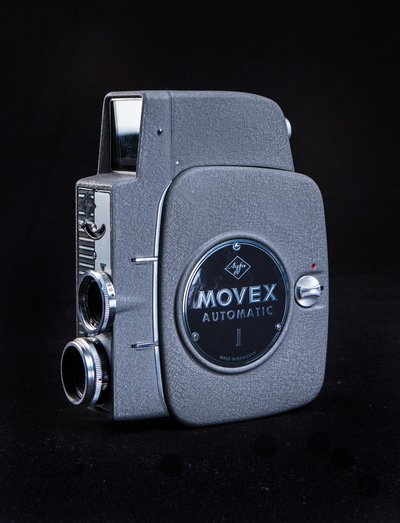
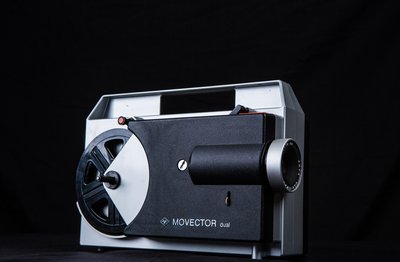
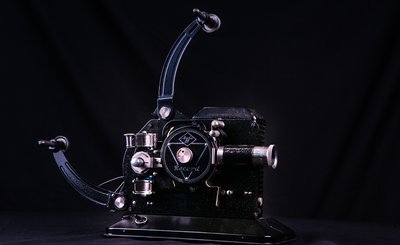
The leap into film equipment came with the 1925 acquisition of Munich's Rietzschel camera works. In 1928, Agfa simultaneously launched the Movex 16 (their first movie camera, featuring an innovative cassette-loading system) and the Movector 16A (their first projector). A distinctive contribution was Ozaphan film (1927) — a non-flammable cellophane-based medium using a diazo process similar to blueprint printing. By 1934, over 75 silent film titles were distributed in Ozaphan format with dedicated projectors, creating a complete home cinema ecosystem decades before television.
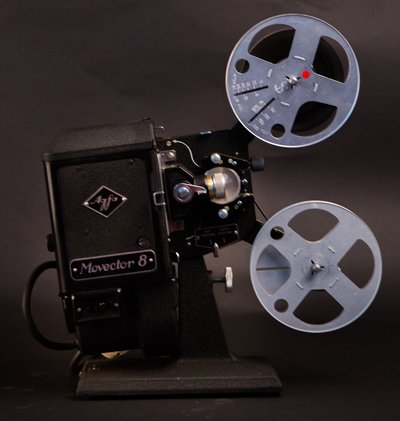
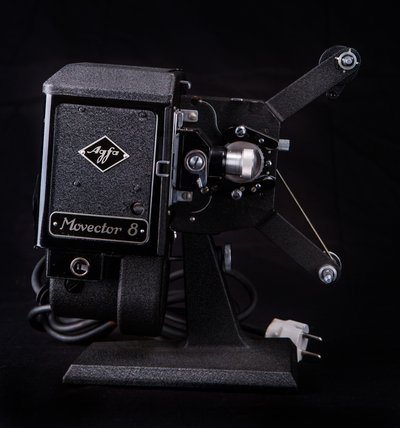
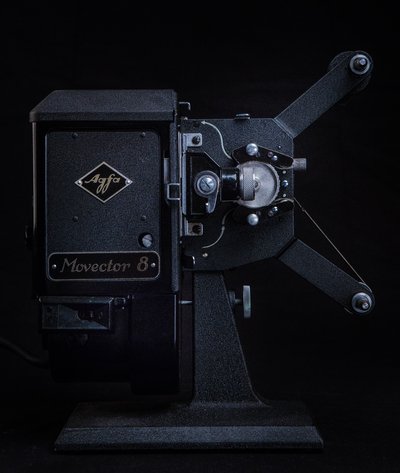
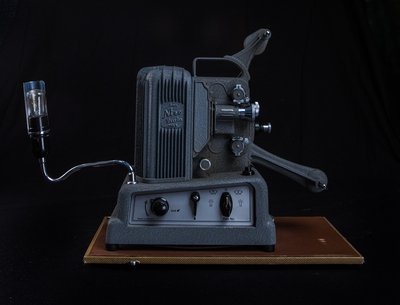
The 8mm push came in 1937-38 with the Movex 8 camera and Movector 8 projector. Meanwhile, Agfa's Wolfen plant developed Agfacolor Neu (1936), a pioneering color reversal film for both 35mm and 8mm. The company had a dark wartime chapter as part of the IG Farben conglomerate, using forced labor at Munich and Westerbork camps.
Postwar, Agfa split along the Iron Curtain. The Wolfen plant became ORWO (East Germany); western operations continued under Bayer AG, merging with Belgian Gevaert in 1964. The Movector series lit up German living rooms through the 1960s, but video killed the projector. Equipment manufacturing ended in 1983.